Wallpaper removal is often the unwelcome first chapter of an interior paint job. Some paper strips cleanly. Other rooms, especially those with many layers, clay-based paste, or paper installed over unprimed drywall, leave torn facing paper, gouges and a sticky film that will ruin new paint if it is not cleaned and sealed. Washington Township Painting is a referral service that connects homeowners with independent local contractors for wallpaper removal, wall repair and the paint that follows. We do not strip wallpaper ourselves.
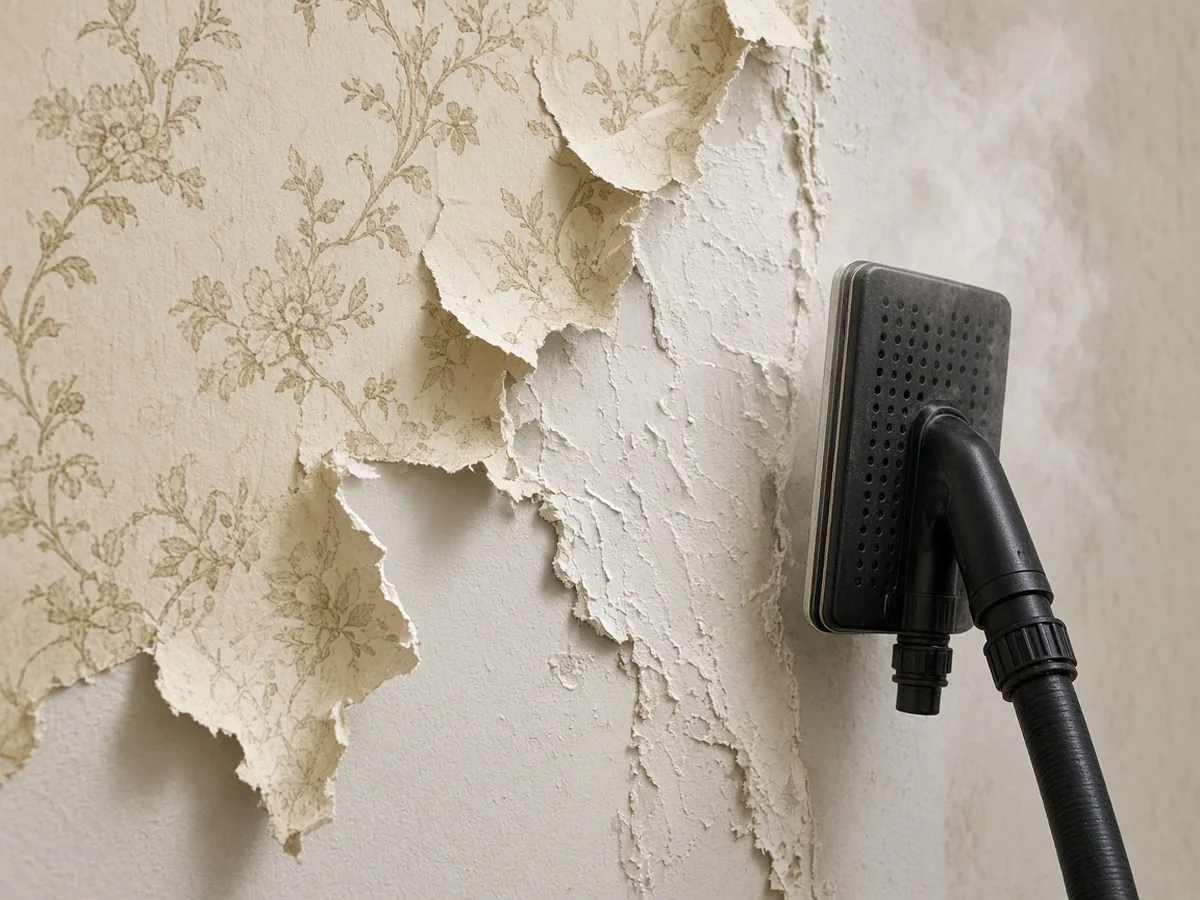
Why Removal Quality Matters
New paint bonds to a sound, clean, sealed surface. Residual paste remains slightly water-sensitive and can cause blistering. Torn drywall facing has to be sealed and skimmed or the texture will telegraph. If someone painted over wallpaper in the past, removal is usually harder, and in some cases a contractor may recommend stabilizing and skim coating rather than risking severe wall damage. That decision should be made after looking at the actual walls, not from a phone description alone.
A realistic quote for removal should include how the paper will be loosened (scoring, steam, solvent or a removal solution), how paste will be washed off, what repairs are expected, and whether a full skim coat is likely. "Remove paper and paint" without those details is easy to underbid and easy to regret.
Rooms We Hear About Most
In Washington Township and nearby Romeo and Shelby Township homes, the usual candidates are powder rooms, accent walls, older kitchens, and dated borders in hallways. A single accent wall is a different labor picture than an entire 1990s home with paper in every bedroom. High ceilings and stairwells add access time. If the paper wraps into closets, say so.
Older homes may have paper over plaster. Plaster can be a more forgiving substrate than bare drywall if the paper was installed correctly, but damaged plaster still needs a proper repair, not a thin coat of spackle. If the house was built before 1978 and removal will disturb painted surfaces underneath or around the paper, ask about lead-safe work practices.
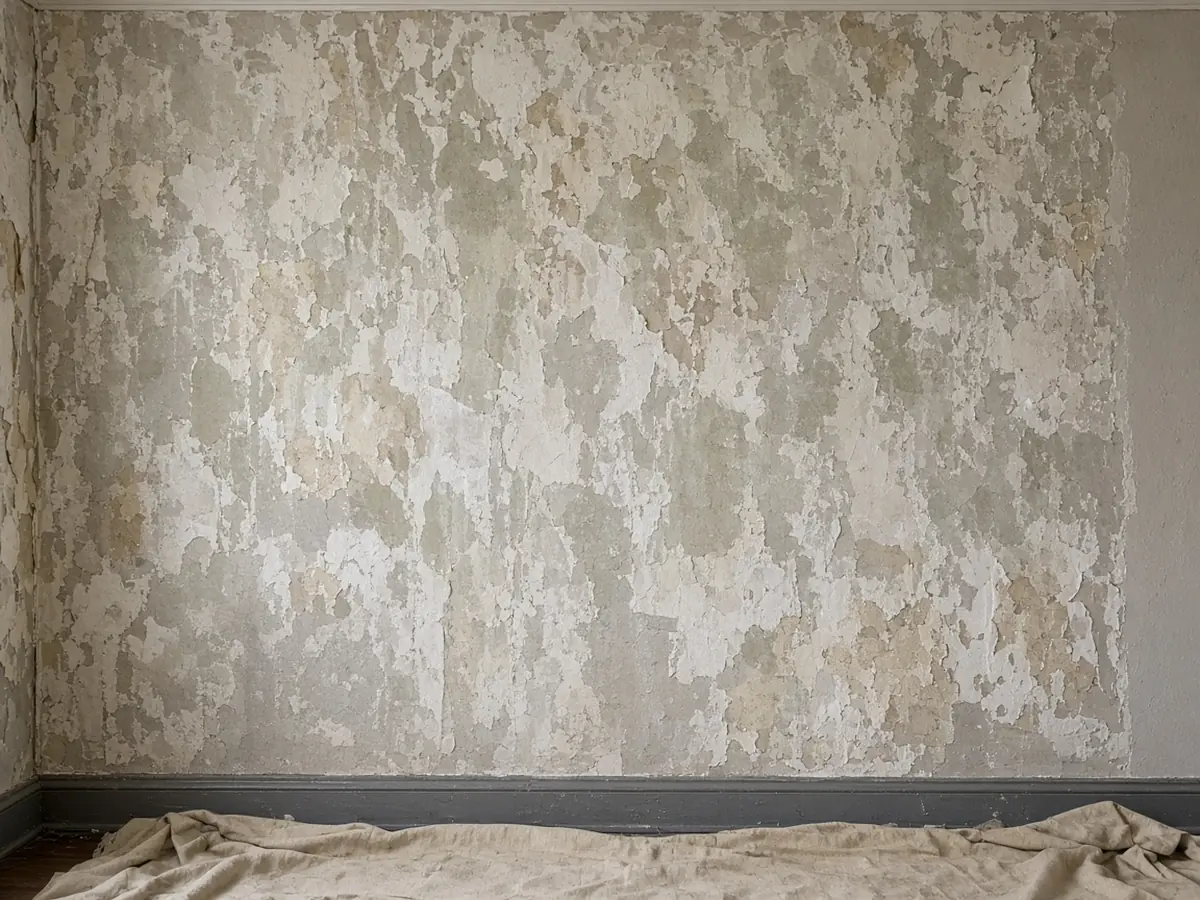
What Happens After the Paper Is Gone
After stripping and washing, the wall should dry. Then repairs, skim coating where needed, sanding, priming (often with a primer designed to seal residual paste or raw drywall), and finally the finish color. Skipping primer is a frequent cause of flashing and peeling. If you also want interior painting in the same rooms, bundle the work so the contractor can finish the walls in one sequence.
How to Help a Quote
Photograph several areas, including corners, seams that are lifting, and a close-up of any torn drywall from a test peel. If you have already tried to pull a corner, say what happened. Note the room sizes and whether furniture must stay in place.
Call the number at the top of the page or send the form. A local pro can tell you whether the job looks like a straightforward strip or a repair-heavy removal. Using this site is free, and you are not obligated to hire the contractor we introduce.