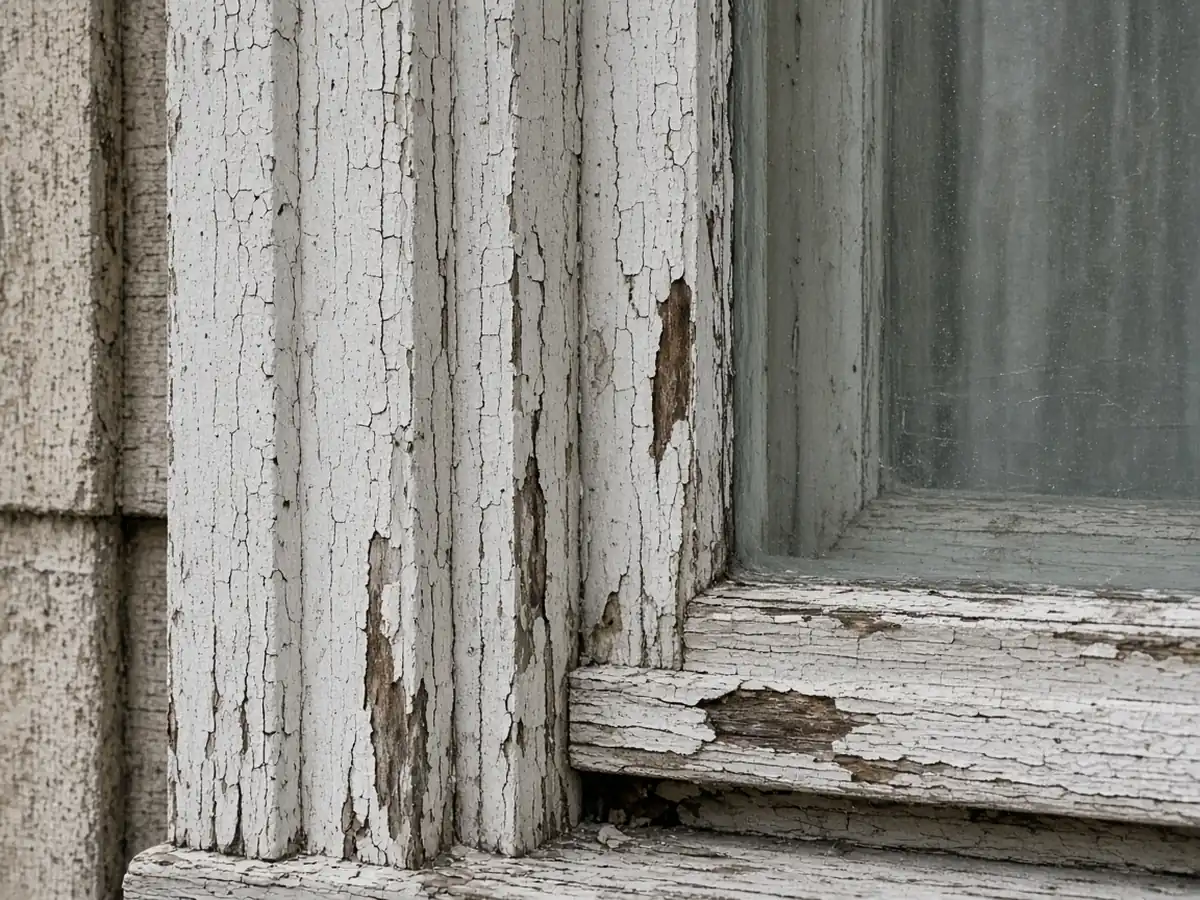
If a house in Romeo, Bruce Township or an older pocket of Washington Township was built before 1978, painted surfaces may contain lead-based paint. That matters when a paid contractor sands, scrapes or otherwise disturbs those surfaces. This article summarizes federal EPA rules in plain language and links to primary sources so you can verify them. It is educational, not legal advice, and it is not a determination about your house.
Washington Township Painting is a referral service. We connect you with independent local painting contractors. We do not test for lead, perform renovations, or certify firms. For a painting quote, contact us and mention the age of the home.
Why 1978 Comes Up So Often
The United States banned lead-based paint for residential consumer use in 1978. Housing built before that year is treated as "target housing" under federal lead rules unless it qualifies for a narrow exclusion. Many village homes in Romeo, farmhouses in Bruce Township, and some older houses in Washington Township fall in that period. Newer subdivisions in Shelby Township are less likely to, but additions, older trim reused in a remodel, or a house whose year you are unsure of should be treated carefully until you know.
The presence of lead-based paint is not proven by age alone, and it is not disproven by a coat of newer paint on top. The reliable paths are testing by a qualified person or treating the paint as lead-based and following the rule.
What the EPA RRP Rule Covers
The EPA Renovation, Repair and Painting (RRP) Rule applies to firms and individuals who perform renovations for compensation in pre-1978 housing and child-occupied facilities such as some day-care centers. A renovation, in this context, is work that disturbs painted surfaces, including painting preparation such as sanding and scraping, window replacement, and many other repair tasks. The rule includes firm certification, trained renovators, lead-safe work practices, and pre-renovation education.
EPA states that the rule applies to paid work. Homeowners working on their own residence are generally outside the RRP Rule, though lead dust is still a health concern, especially for young children and pregnant women. Landlords and property managers who hire work, or who perform work for compensation, should not assume a homeowner exemption applies.
Minor Repair Limits, and What They Do Not Cover
EPA describes a minor repair and maintenance exception for work that disturbs six square feet or less of interior painted surface per room, or 20 square feet or less of exterior painted surface. That exception does not apply to window replacement, demolition of painted surfaces, or work that uses prohibited practices. If your "small scrape" is actually a full elevation, or includes window replacement, do not assume the exception applies. EPA's pages on renovations covered by the RRP Rule and pre-renovation education are the references to check.
Prohibited practices include methods that create high lead-dust hazards, such as open-flame burning, heat guns above the temperature EPA sets, and power tools without HEPA exhaust control. A contractor who proposes to dry-sand a pre-1978 painted wall with an unshrouded sander is not describing lead-safe work.
Pre-Renovation Education
Before covered work in a dwelling, the firm generally must provide the EPA lead pamphlet — commonly referred to as the "Renovate Right" pamphlet — no more than 60 days before the work begins, and obtain written acknowledgment or a certificate of mailing at least seven days before the renovation, as described in 40 CFR 745.84. If you are not offered information and a chance to acknowledge it on a covered job, ask why.
Testing and "Lead-Free" Components
The RRP Rule does not require testing, but if paint is not documented as below the federal lead-based paint thresholds, the rule's requirements generally apply to covered work. A certified inspector or risk assessor, or in some cases a certified renovator using an EPA-recognized test kit or paint-chip analysis, can determine that specific components are not lead-based paint. That determination has to be done and documented the way the rule requires. A hardware-store swipe you perform yourself is not the same thing.
What to Ask a Painting Contractor
- Is your firm EPA-certified (or certified under an EPA-authorized state program) for RRP work?
- Will a certified renovator be assigned if the job is covered?
- How will you contain dust, clean up, and verify cleaning?
- Will you provide the EPA pamphlet and the required acknowledgment?
- If we test first, who will do it and how will the results be documented?
Older painted wood in Romeo and on Bruce Township farmhouses is exactly the kind of surface where these questions are worth asking before a sander starts. For the painting work itself, see exterior house painting and interior painting. For official detail, start at EPA's RRP contractor page. If you want a local contractor to look at an older home, call the number at the top of the page and mention the year of the house if you know it.
Health Context, Without Alarmism
Lead is a hazard when it becomes dust or chips that can be swallowed or inhaled, especially by young children. Intact, well-maintained paint that is not being disturbed is a different situation from a renovation that sands every window in an old Romeo house. The RRP Rule is aimed at those disturbance events when they are done for pay. If children under six live in the home, or if you are planning a gut remodel, consider speaking with a certified inspector or risk assessor, not only a painting contractor, about whether a broader assessment is warranted. EPA and the National Lead Information Center (1-800-424-LEAD) are starting points for official guidance.
Do not use this article to diagnose a sick child or to decide that a house is "safe" or "unsafe" from a photograph. Use it to ask better questions before work starts, and to recognize when a contractor is describing containment, cleaning and certification in a way that matches the federal rule.